September 5, 2026
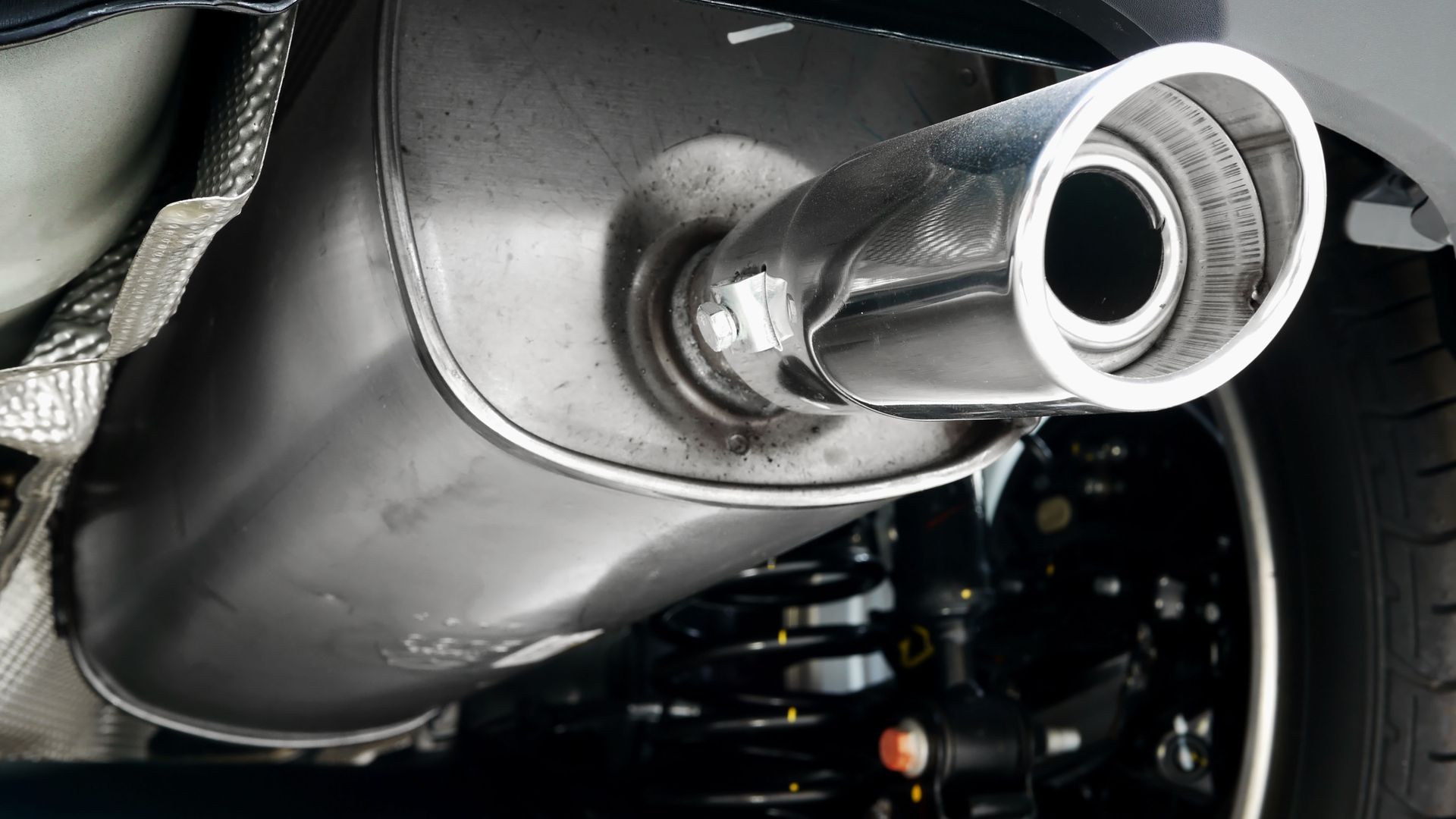
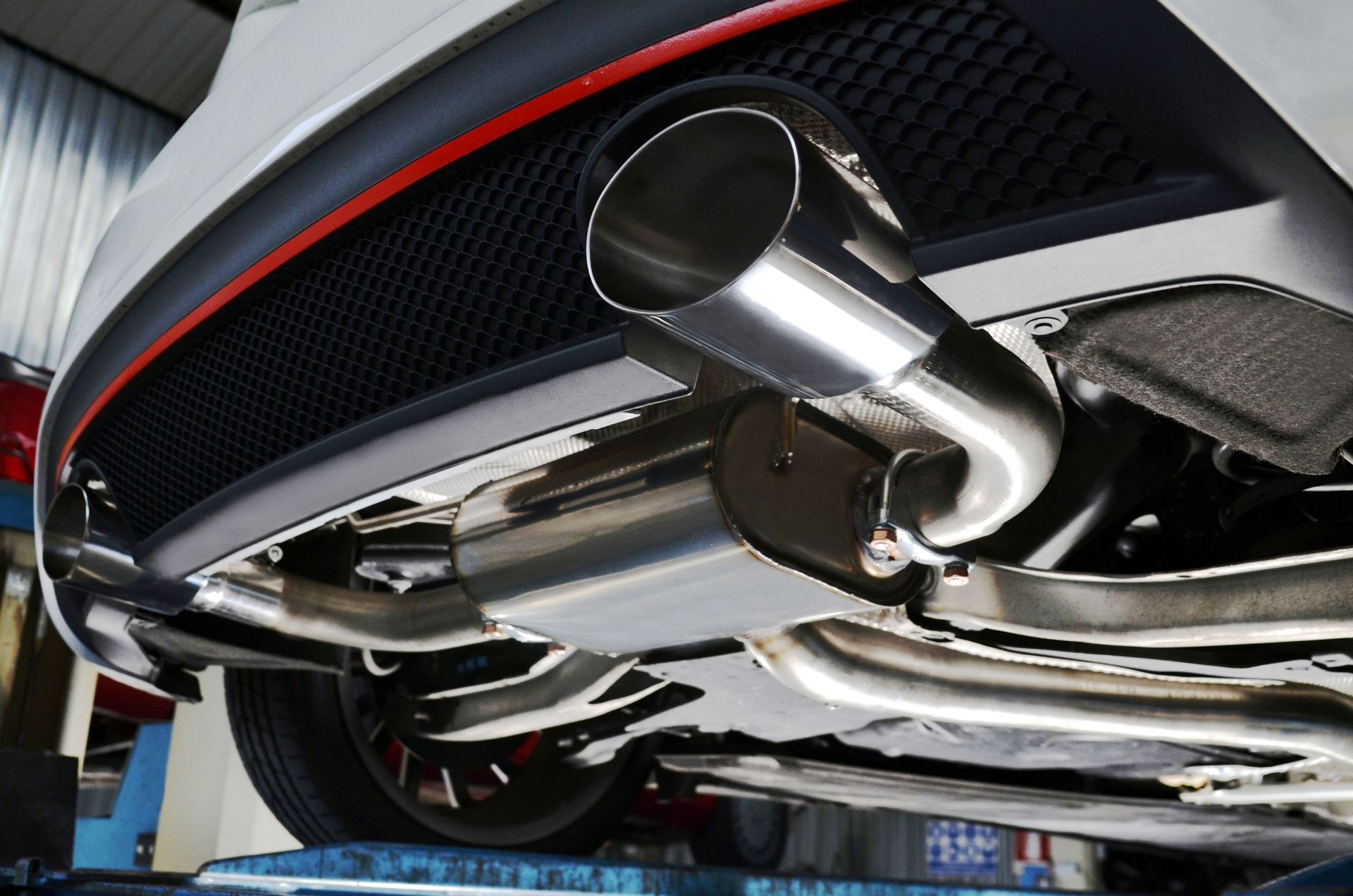
Managing a fleet requires attention to countless details that influence vehicle performance, driver comfort, operating costs, and reliability. While engines, brakes, tires, and transmissions often receive much of the attention, the exhaust system also plays an essential role in keeping commercial vehicles operating properly. One particularly important component is the truck muffler, which helps control exhaust noise while supporting the overall function and condition of the exhaust system.
A properly functioning muffler can make fleet vehicles more pleasant to operate, reduce excessive noise, and help prevent exhaust-related problems from interfering with daily operations. Because fleet vehicles may spend long periods on the road, even relatively minor exhaust issues can become significant concerns when they are ignored. Understanding why mufflers matter can help fleet managers recognize problems sooner and make informed maintenance decisions.
Improving Noise Control Across the Fleet
Commercial trucks naturally produce substantial engine and exhaust noise. Without an effective muffler, that sound can become disruptive for drivers, nearby businesses, customers, pedestrians, and communities along regular routes. Mufflers are designed to manage sound waves created as exhaust gases move through the system, reducing the intensity of the noise before gases exit the vehicle.
The difference can be considerable. According to the Environmental Protection Authority Victoria, adding a muffler to an exhaust system can lower noise by up to about 15-25 decibels. This reduction illustrates why a functioning truck muffler is so valuable for vehicles that routinely operate in populated areas, loading zones, commercial properties, and residential neighborhoods.
Drivers may also appreciate reduced exhaust noise during long shifts. Persistent mechanical noise can make the cab environment less comfortable and may make it more difficult to notice unusual sounds elsewhere in the vehicle. When normal exhaust sound is properly managed, drivers have a better opportunity to recognize new rattles, vibrations, or other changes that deserve attention.
Supporting Consistent Exhaust System Performance
A muffler does not work independently. It is part of a larger exhaust system that includes interconnected pipes, mounting hardware, and other components responsible for carrying exhaust gases away from the engine and vehicle occupants. Problems affecting one area of this system may influence surrounding components, making routine professional attention important.
A damaged truck muffler may develop corrosion, cracks, loose connections, or internal deterioration. These issues can alter how exhaust gases and sound move through the system. In some cases, deterioration may initially present itself as an unusual sound rather than an obvious performance problem. A change in exhaust tone, persistent rattling, or unexpectedly loud operation can therefore provide valuable clues about the system’s condition.
Fleet maintenance becomes easier to manage when exhaust concerns are addressed before they spread. Loose or deteriorated components can place additional stress on nearby hangers, pipes, or connections. What begins as a relatively isolated concern may eventually require more extensive repairs if vibration, corrosion, or physical damage continues unchecked.
Enhancing Comfort During Daily Fleet Operations
Driver comfort has practical importance in commercial fleet management. Employees may spend much of their working day inside or around their vehicles, so unnecessary noise and vibration can make routine driving less pleasant. An exhaust system in good condition contributes to a calmer and more predictable operating environment.
A deteriorating truck muffler can create booming, rattling, buzzing, or other distracting sounds. These noises may be particularly noticeable during acceleration, idling, or changes in engine load. Even when the vehicle remains operational, persistent exhaust noise can become an unnecessary distraction for someone driving for extended periods.
Exhaust problems may also produce vibrations that can be felt through parts of the vehicle. Loose mounting components or damaged exhaust sections can allow movement that would not normally occur. Professional evaluation can determine whether these symptoms originate with the muffler or another part of the exhaust assembly.
Preventing Small Problems From Becoming Larger Repairs
Commercial vehicles operate under demanding conditions. Long driving periods, changing temperatures, road debris, moisture, vibration, and exposure to corrosive materials can gradually affect exhaust components. Because much of the exhaust system is located beneath the vehicle, deterioration may progress without being readily visible during normal daily use.
Corrosion is a common concern because mufflers routinely experience heat, moisture, and environmental exposure. Over time, weakened metal may develop holes or cracks. Connections and mounting points can also deteriorate. A professional inspection can identify whether a truck muffler remains serviceable or whether replacement should be considered.
Ignoring unusual exhaust symptoms can allow damage to affect additional components. For example, a loose section may move excessively and strain connected hardware. Corrosion can also extend beyond the area where it first becomes noticeable. Timely professional attention allows fleet managers to address the source of a problem instead of repeatedly responding to related symptoms.
Reducing Unexpected Downtime Across the Fleet
Every vehicle that becomes unavailable can affect a fleet’s productivity. Depending on the business, a sidelined truck may interrupt deliveries, service appointments, transportation schedules, or employee assignments. Even when another vehicle can cover the workload, rearranging routes and responsibilities can create unnecessary complications.
Monitoring the condition of each truck muffler as part of broader fleet maintenance can help reduce surprises. Drivers should have a clear way to report unusual exhaust sounds, visible damage, or changes in vehicle behavior so those concerns can be professionally evaluated. Early reporting allows fleet managers to make service decisions before a problem becomes more disruptive.
Reliable equipment supports reliable scheduling. Although no maintenance program can eliminate every unexpected repair, paying attention to exhaust components helps close a potential gap in fleet care. Mufflers may not always be the most visible parts of commercial vehicles, but their condition can still influence whether those vehicles remain comfortable and ready for regular use.
Maintaining a More Professional Fleet
Fleet vehicles frequently serve as moving representations of a business. Customers, vendors, employees, and community members may encounter them every day. Their appearance matters, but the way they sound and operate can also influence how people perceive the organization behind them.
An excessively loud exhaust can be distracting and may make a vehicle appear poorly maintained. A properly functioning truck muffler helps create a more controlled sound profile that better reflects professional fleet care. This can be particularly important for trucks that regularly enter customer properties, commercial facilities, neighborhoods, or other areas where unnecessary noise may be unwelcome.
Professional maintenance also creates greater consistency across a fleet. When vehicles are inspected and serviced according to established standards, managers are less likely to have some trucks operating quietly while others develop obvious exhaust problems. Consistency can simplify fleet oversight and reinforce expectations about vehicle condition.
Protecting Long-Term Fleet Reliability
Fleet reliability is built through consistent attention to individual components. A vehicle is a collection of interconnected systems, and neglect in one area can eventually create consequences elsewhere. Muffler maintenance belongs within the same preventive strategy as inspections of other major vehicle systems.
Regular professional attention can help determine whether a truck muffler has developed corrosion, physical damage, loose connections, or other concerns that warrant repair. This information gives fleet managers a clearer understanding of vehicle condition and allows maintenance decisions to be based on actual findings rather than assumptions.
Long-term reliability also depends on responding appropriately to changing vehicle needs. Commercial trucks may experience different operating environments, route conditions, workloads, and levels of exposure. Exhaust components should therefore be evaluated according to their condition and symptoms rather than being overlooked simply because a vehicle still runs.
Creating Smoother Fleet Operations
Mufflers contribute to fleet performance in ways that extend beyond simply making trucks quieter. They support controlled exhaust noise, driver comfort, professional vehicle operation, preventive maintenance, and overall exhaust system integrity. Recognizing these benefits can help fleet managers give this often-overlooked component the attention it deserves.
Ultimately, smoother fleet management depends on consistency. When businesses prioritize regular inspections and timely professional repairs, they can reduce avoidable disruptions and maintain vehicles that are better prepared for daily demands. Exhaust system care is an important part of that effort and can contribute to a quieter, more comfortable, and more dependable fleet.
If your fleet needs professional muffler or exhaust system attention, contact Eco Muffler Center Inc. We can help evaluate your vehicles, address exhaust concerns, and provide the service needed to keep your fleet operating smoothly. Reach out to us to learn more about how our team can support your commercial vehicles.